The Agency of Animals
In Animal Resistance in the Global Capitalist Era, Sarat Colling argues that in opposition to the common portrayal of animals as “voiceless” (example: Anonymous for the Voiceless), they really are not voiceless. They can’t communicate with us verbally, but that certainly doesn’t mean they are incapable of communication. This is something I’ve said myself a ton of times — animals communicate nonverbally, just as humans do. It is only a matter of paying attention.
One of the ways that animals use their voices is by acts of resistance, despite their “social and political positioning” as “commodities and living property”.
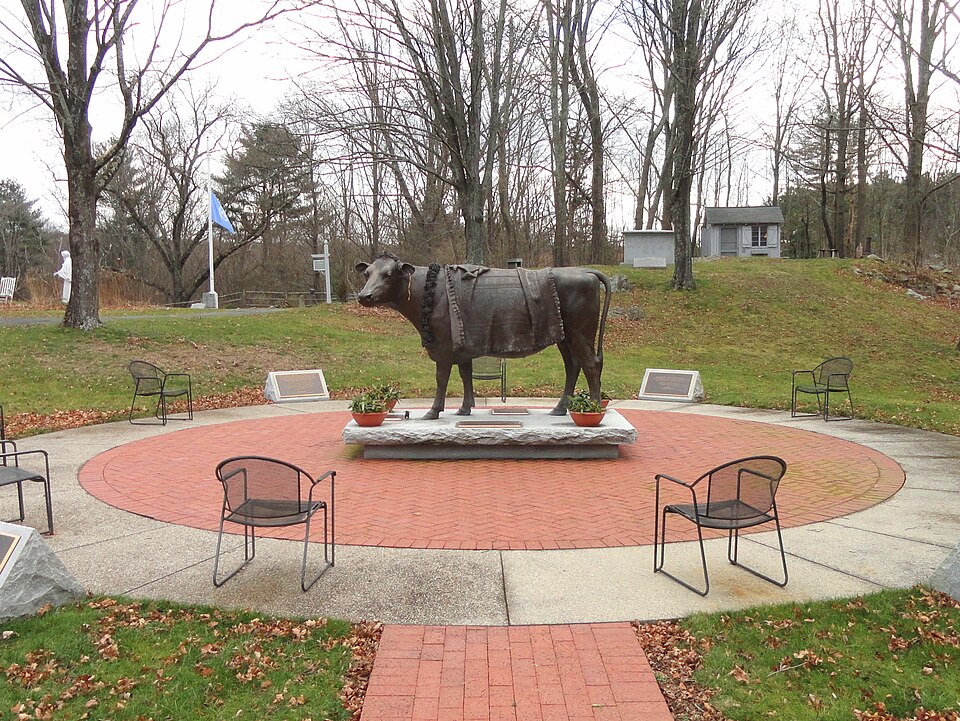
According to Colling, this often takes the form of “border-crossing” — an animal who escapes from a farm, for example, crosses the physical border surrounding the farm, and in the media coverage that often ensues, they also cross metaphorical borders. Their escape forces people to confront the agricultural system and often engage with the animal as an individual instead of a faceless mass of property: “Specificity works to enable empathy”
Capitalism’s Role in Animal Oppression
What is responsible for the societal status of animals? In Colling’s view, capitalism, which engenders commodification, property status, and appropriation of animals. Animals are never paid, nor do they ever leave the workplace; they are also continuously forced to reproduce. Unlike human workers, they can’t unionize or campaign for shorter hours or workplace protections; they cannot use the political system to protest their exploitation. Thus they are the perfect victims of exploitation and yield an extremely high amount of surplus value.
In my opinion this is what non-leftist vegans are totally missing. When I first became vegan, I was a right wing libertarian (I was also 17 years old)– and at the time, I had total confidence in the ability of the free market and consumer choice to phase out the brutal regime of animal torture that we currently live with. However, what I quickly realized was that capitalism itself was aggravating that system. Factory farming was no aberration– it was the natural outcome of a system that chases the profit motive. While I don’t think that speciesism would be eradicated if we ended capitalism, I do believe that capitalism aggravates speciesism because both ideologies center around exploitation. Speciesism merely gives capitalism the ability to intensify the exploitation of animals without pushback from concerned citizens.
The only reason we have such blessing as child labor laws, OSHA, and vacation leave (not to mention the eight-hour work day!) is because of the intervention of governments to curb capitalism’s worst excesses. Without those regulations, no abuse of workers would be out of the question if it was profitable. Such is the logic of market competition.
It’s convenient for Big Agriculture that speciesism is so widespread. Forget legislation– for most people, the idea that animals could be exploited by the industry doesn’t even register. Because of this, there’s no risk of serious limitations being placed on agriculture firms. Sure, there might be some murmuring about cage-free eggs, but so long as they slap that label on the eggs made from chickens in a suffocating warehouse rather than a wired cage, the average consumer won’t see anything wrong. Thus the worst effects of capitalism on animals have no meaningful redress in public opinion or government regulation.
From Saviorism to Solidarity
Much of the animal rights movement has adopted a “savior narrative” — we must act to save these helpless beings. But, Colling argues, it would be more truthful and more progressive to instead frame our efforts in solidarity with animals. Animals are using their voices daily, but humans are unwilling to listen.
 Philosophy for Animals
Leave a comment